
Haleem: The Story of Deccan’s Most Celebrated Dish
Introduction
As dusk falls and the Iftar call rings out in the air, the streets of Hyderabad are filled with the aromatic scent of slow-cooked meat, wheat, and ghee. Of the numerous treats that characterize Deccan’s cuisine, Hyderabadi Haleem is a dish that goes beyond time, tradition, and geography. Once a royal delicacy, it is now a beloved street food, enjoyed by people from all walks of life. More than just a dish, Haleem is a sentiment, a legacy of the Nizami kitchens, and an essential part of Ramadan. At Abidi’s Virsa-E-Deccan, this legacy is carefully preserved, offering food lovers an authentic taste of this timeless delicacy.
The Origins: From Arabia to the Deccan
Haleem’s passage to Hyderabad is as interesting as its flavor. Its history goes back to Harees, an old Arabic preparation that was introduced in the Indian subcontinent by Persian and Afghan merchants. This porridge-like dish, initially prepared with wheat and meat, became popular in the Deccan but was remodeled under the patronage of the Nizams of Hyderabad. The humble Middle Eastern dish was elevated with the use of local spices, slow cooking methods, and liberal quantities of ghee, giving us the rich and aromatic Hyderabadi Haleem we know today. In Abidi’s Virsa-E-Deccan, the traditional methods and original ingredients are followed to the letter to replicate the dish as it was relished in royal courts centuries ago.
The Art of Slow Cooking: What Makes Hyderabadi Haleem Unique?
Unlike other conventional food, Haleem requires patience and accuracy. It is not so much cooked; it is assembled over hours of incessant stirring, so the meat, wheat, and spices get incorporated to perfection. The Dum technique (slow cooking in low heat) is the magic behind the creation of the smooth texture of the dish, such that the meat dissolves to perfection in the mixture. The use of pounded boneless meat, whole wheat, lentils, saffron, cardamom, and cinnamon, along with the richness of pure desi ghee, makes Haleem a dish of both taste and substance. Abidi’s Virsa-E-Deccan takes pride in preparing Haleem using only the finest ingredients, ensuring an authentic and flavorful experience for food lovers who appreciate true Deccan cuisine.
Haleem & Ramadan: A Sacred Connection
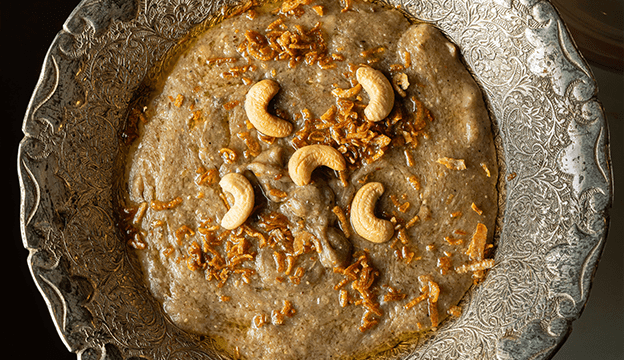
Though Haleem is consumed all year round, it is especially cherished during Ramadan. Being one of the most wholesome and satiating foods, it has turned out to be a favorite among Iftar, the dinner that breaks the fast. The blend of slow-digesting wheat, protein-filled meat, and energy-giving ghee offers the ideal nutrition after hours of fasting. In Hyderabad, no Ramadan is complete without the sight of people queuing up at their favorite Haleem stalls, waiting to savor the dish that defines the spirit of the holy month. At Abidi’s Virsa-E-Deccan, the tradition of preparing Haleem for Ramadan feasts continues, ensuring that every bite carries the essence of Deccan’s rich food culture.
From Royal Kitchens to Hyderabad’s Street Food Sensation
While Haleem was previously reserved for the Nizams’ tables, today it’s a street food phenomenon in Hyderabad. The dish has been transformed from an elite Ramadan indulgence to a year-round delicacy, available in restaurants and food fairs. It became so popular that even a Geographical Indication (GI) tag was awarded to Hyderabadi Haleem in 2010, identifying it as a distinctive cultural heritage of the Deccan. The demand for Haleem has now gone global, with frozen and packaged versions reaching food lovers across the world. Abidi’s Virsa-E-Deccan continues to uphold this tradition by preparing Haleem with time-honored methods and sharing the true taste of Deccan heritage with modern food enthusiasts.
Where to Experience the Best Haleem in Hyderabad
Every food lover visiting Hyderabad must experience an authentic plate of Haleem. Some of the city’s most renowned spots include Pista House, credited with revolutionizing packaged Haleem; Shah Ghouse, known for its robust flavors; Sarvi, which offers a refined taste with a unique spice mix; and Abidi’s Virsa-E-Deccan, dedicated to reviving the lost flavors of Verse-e-Deccan cuisine. Each place offers a distinct take on this legendary dish, but the essence remains the same: a bowl full of history, culture, and warmth.
Conclusion: A Flavor of Deccan’s Heritage
Haleem is more than a dish; it is a celebration of Hyderabad’s heritage. From its Arabian roots to its evolution in the Deccan, from the Nizami kitchens to Hyderabad’s vibrant streets, it has emerged as the city’s favorite dish and endured the test of time. Whether enjoyed during Ramadan or on any ordinary day, each spoonful of Hyderabadi Haleem tells a story of tradition, craftsmanship, and the enduring love for good food. Abidi’s Virsa-E-Deccan remains committed to preserving this legacy, ensuring that future generations can continue to savor the authentic taste of this timeless Deccani delight.


